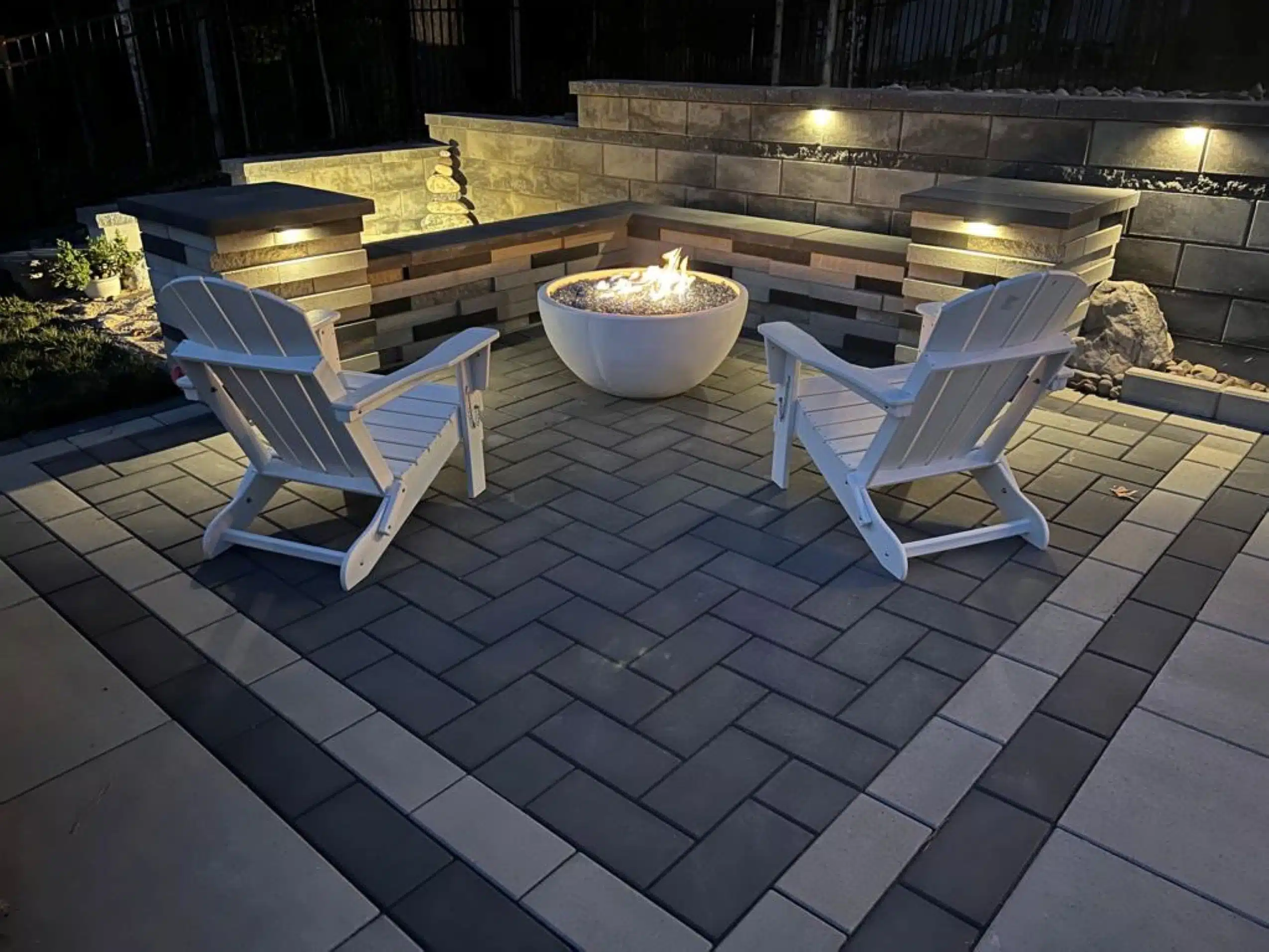
Gas vs. Wood-Burning Fire Pits: Pros, Cons, and Installation Costs
There is nothing quite like a crisp autumn evening in the Carolinas spent gathered around a roaring fire in your own backyard. Adding a custom fire feature is consistently one of the top requests we receive at SunSouth Carolinas. It extends the usability of your outdoor living space well into the colder months and serves as a natural gathering point for family and friends.
However, once you decide you want a fire pit, you immediately face the biggest design decision: Should you install a traditional wood-burning fire pit or upgrade to a modern gas system?
Both options have their unique charm, but they offer completely different outdoor experiences, maintenance requirements, and installation costs. Whether you are building a new patio in Fort Mill or upgrading your current outdoor living room in Apex, choosing the right fuel source is crucial.
In this comprehensive guide, we break down the pros, cons, and real-world costs of gas vs. wood-burning fire pits so you can choose the perfect centerpiece for your Carolina backyard.
For purists, nothing beats a real wood fire. A custom-built, wood-burning fire pit—constructed with high-heat firebrick interiors and stunning masonry or Techo-Bloc veneer exteriors—is the quintessential backyard experience.
- The Authentic Experience: You simply cannot replicate the crackle of burning logs, the smoky aroma, and the intense, roaring heat of a real wood fire. It engages all the senses.
- Lower Upfront Installation Cost: Because there are no underground gas lines to trench or burner pans to install, the initial construction cost is significantly lower.
- Hot Dogs and S’mores: If you have kids (or are a kid at heart), cooking over an open wood flame is a classic tradition that gas fire pits cannot easily accommodate without creating a messy cleanup.
- The Hassle of Preparation: You have to buy, chop, store, and keep the firewood dry. Starting the fire takes time and effort.
- The Smoke Factor: Depending on the wind direction, you (or your guests) might end up playing musical chairs to avoid a face full of smoke. Pro Tip: We often recommend integrating a smokeless insert (like a Breeo or Solo Stove) into our custom masonry builds to drastically reduce smoke while keeping the wood-burning feel.
- The Cleanup: You have to scoop out the messy ashes regularly and ensure the embers are completely extinguished before going to bed.
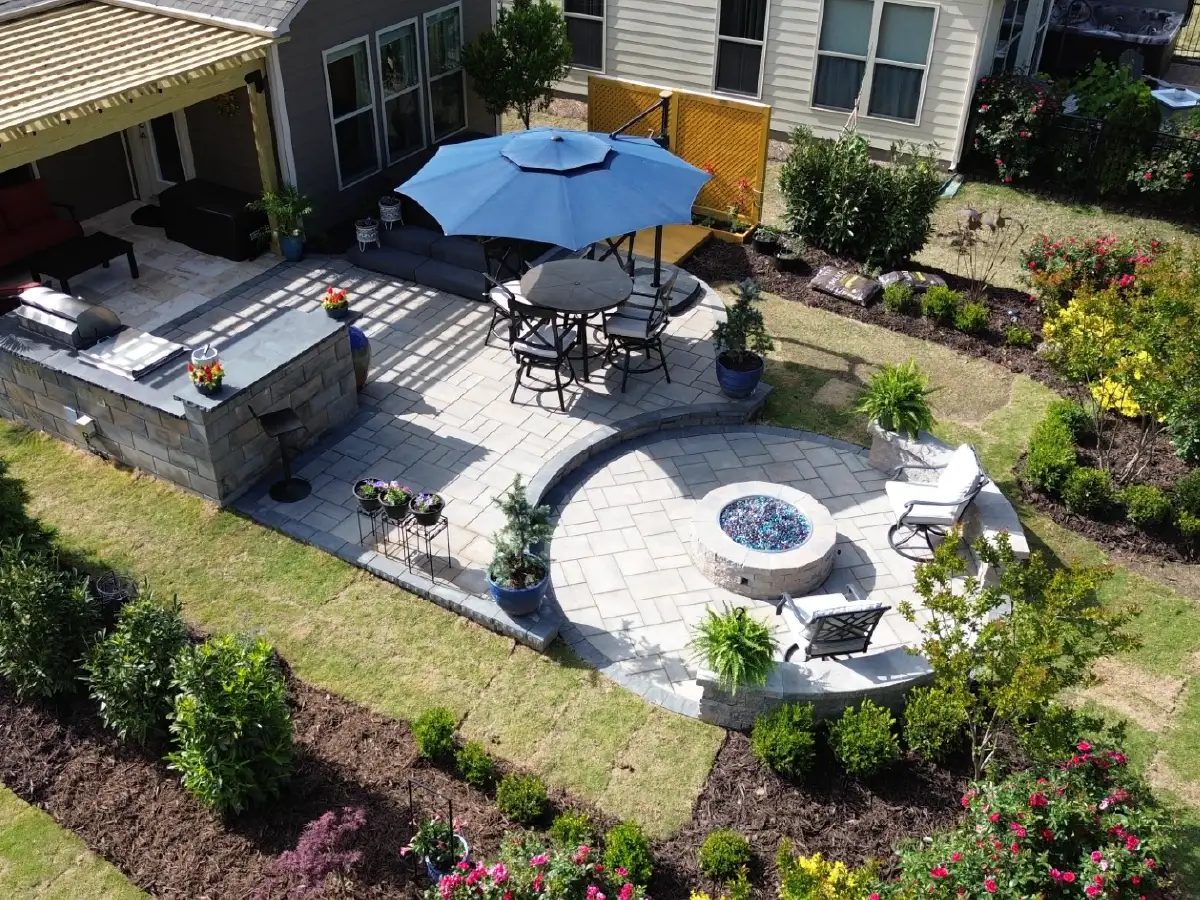
Gas fire pits (fueled by either natural gas or a hidden liquid propane tank) are rapidly becoming the preferred choice for luxury outdoor living spaces across Raleigh, Cary, and the Charlotte metro area.
.
- Instant Gratification: With a push-button ignition or even a smartphone app, you have a beautiful, dancing flame instantly. You can enjoy a fire for just 20 minutes with your morning coffee without the commitment of building a wood fire.
- Zero Mess and No Smoke: There are no ashes to clean, no sparks flying onto your patio furniture, no smell of smoke in your clothes, and no wood to store.
- Design Versatility: Because gas fires don’t require deep, bowl-like structures for logs, the design options are endless. We can build sleek, linear fire tables, modern fire bowls, or incorporate the fire feature directly into an outdoor kitchen island.
- Higher Installation Cost: Running an underground gas line from your home to the patio requires trenching, specialized plumbing, and permits, which increases the upfront budget.
- Less Heat Output: While they provide warmth and incredible ambiance, a standard gas burner will not generate the intense, radiant heat of a large wood fire.
This is where the decision is often made for you. If you live in a master-planned community or a neighborhood with a strict Homeowners Association (HOA) in places like Apex or Fort Mill, you must check the bylaws before planning your patio.
Many HOAs strictly prohibit open, wood-burning fires due to the risk of flying embers and the nuisance of smoke drifting into neighbors’ windows. In these communities, a gas fire pit is often the only approved option. Gas is inherently safer; there are no stray sparks to catch nearby landscaping or patio umbrellas on fire, and you can turn the flame off instantly if needed.
While every project is unique, understanding the cost drivers will help you budget for your 2026 hardscaping project.
- Wood-Burning Fire Pits: The cost is primarily driven by the materials (the decorative block or stone veneer) and the labor to build the structure and the firebrick interior. It is generally the more budget-friendly option.
- Gas Fire Pits: The structure itself costs roughly the same to build, but you must add the cost of the stainless-steel burner kit, the ignition system, the decorative media (fire glass or ceramic logs), and the most significant variable: trenching and running the gas line. The farther the fire pit is from your home’s gas meter, the higher the plumbing and trenching costs will be.
Choose Wood-Burning if you want the authentic, rustic experience, love the smell of a campfire, and have a larger property where smoke won’t bother the neighbors.
Choose Gas if you value convenience, want a modern architectural focal point, live in a strict HOA, and want to use your fire feature frequently without any prep or cleanup.
Can I convert a wood-burning fire pit to gas later?
Technically yes, but it is highly inefficient and expensive. We would have to tear up your existing patio to run the underground gas line and rebuild the interior of the fire pit to safely house the burner pan. It is always more cost-effective to decide on gas during the initial patio design phase.
Do gas fire pits provide enough heat to keep you warm?
Yes, they provide comfortable warmth, but it depends on the BTU rating of the burner and the design of the pit. For maximum warmth, we recommend designing a sunken fire pit lounge area where the built-in seating walls block the wind and reflect the heat inward.
Can SunSouth Carolinas handle the gas line installation?
As a comprehensive outdoor living contractor, we manage the entire project from 3D design to completion. We coordinate with licensed, local plumbers in Fort Mill, Apex, and surrounding areas to ensure your gas lines are trenched, installed, and permitted safely and legally.
Whether you want the crackle of a wood fire or the instant ambiance of a modern gas feature, SunSouth Carolinas has the expertise to build it right. Let our expert team create a custom 3D design that integrates the perfect fire feature flawlessly into your new patio.
Are you ready to upgrade your patio to the next level?
Whether it’s a pergola, installing pavers or building a pool, SunSouth Carolina is always ready to help you create the patio of your dreams!
If you are located anywhere in South Carolina or North Carolina, you can contact us for a free consultation!
What are you waiting for?
Gas vs. Wood-Burning Fire Pits: Pros, Cons, and Installation Costs
Gas vs. Wood-Burning Fire Pits: Pros, Cons, and Installation Costs There is nothing quite like a crisp autumn evening in the…


Why Permeable Pavers Are a Game-Changer for Carolina Driveways
Why Permeable Pavers Are a Game-Changer for Carolina Driveways Your driveway is the most heavily used hardscape feature on your property….
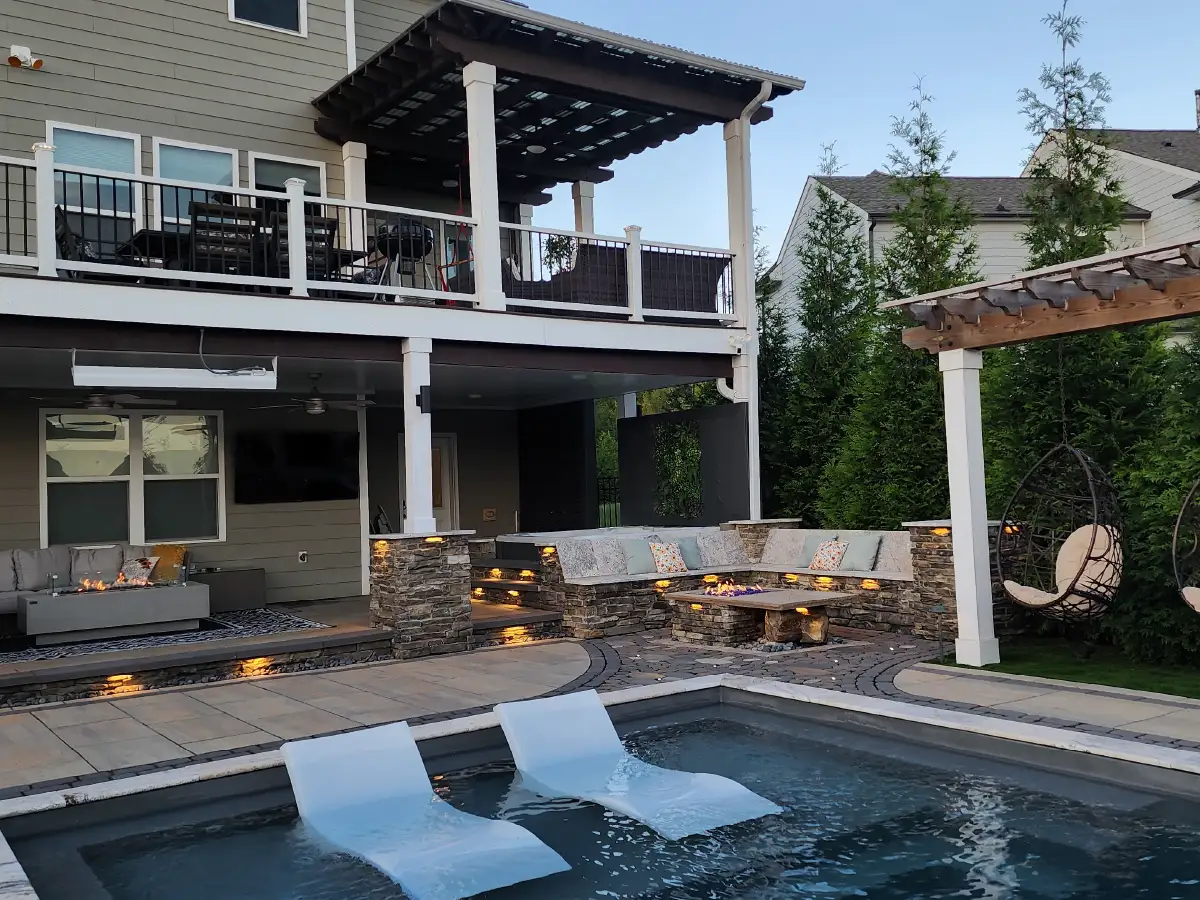
Small Backyard? 5 Smart Ways to Maximize Your Outdoor Living
Small Backyard? 5 Smart Ways to Maximize Your Outdoor Living Space If you have recently purchased a home in a newer…
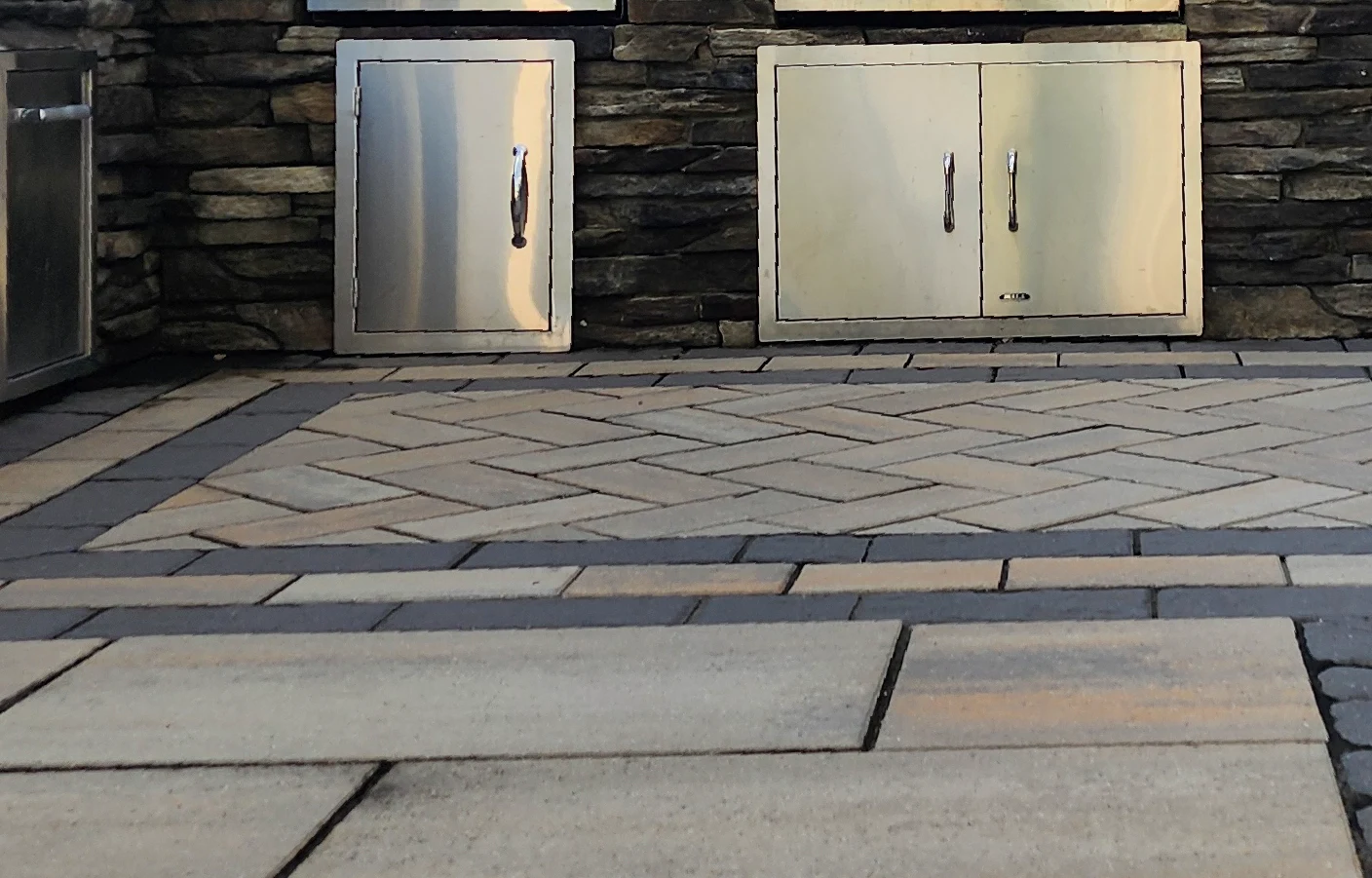
Paver Patio vs. Stamped Concrete: Which Adds More Value to
Paver Patio vs. Stamped Concrete: Which Adds More Value to Your Home? When planning a backyard transformation in the Carolinas, the…
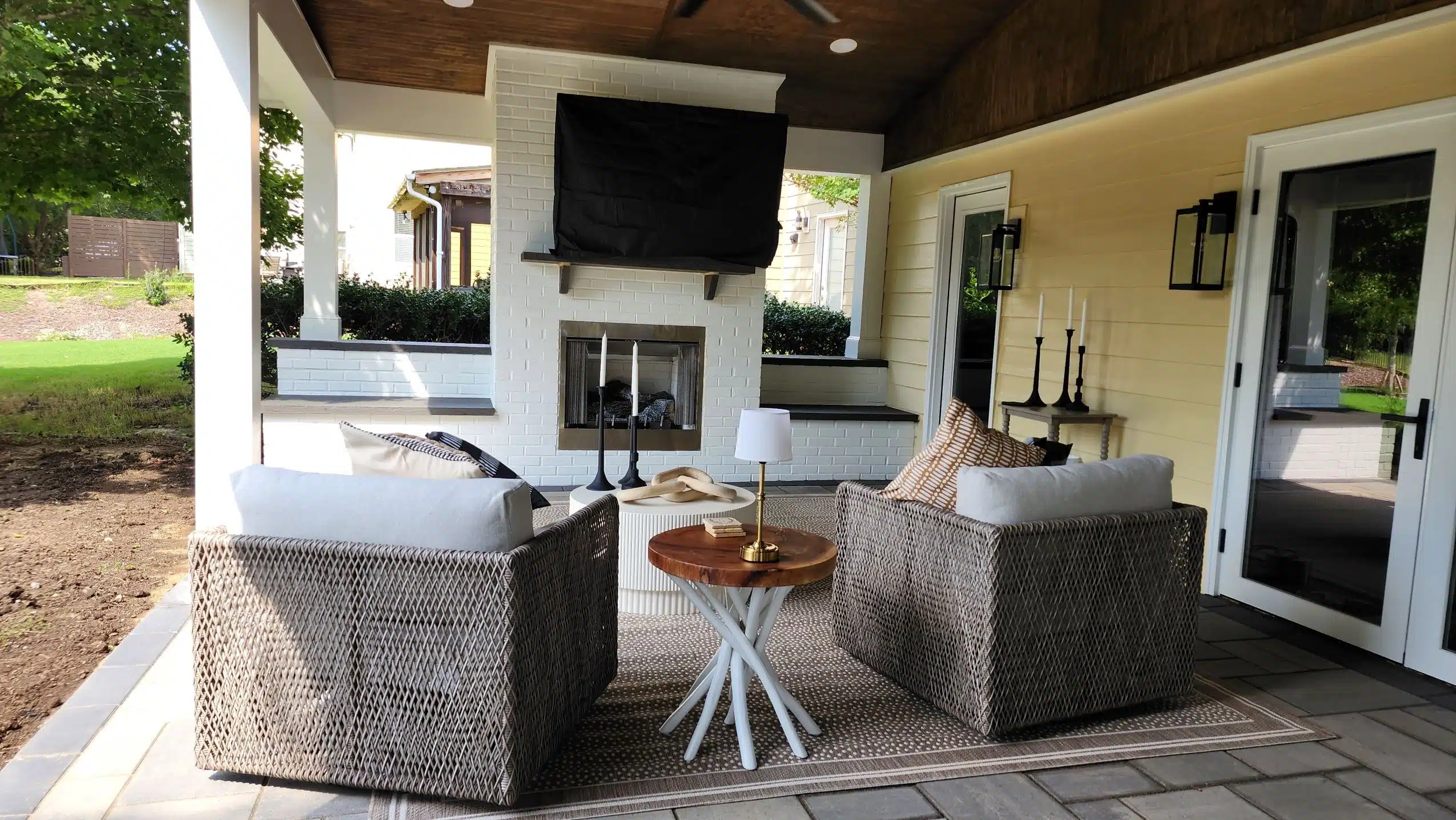
From Cold to Cozy: Small Winter Upgrades That Elevate Outdoor
From Cold to Cozy: Small Winter Upgrades That Elevate Outdoor Comfort Winter doesn’t have to mean retreating indoors. With the right…
How Outdoor Renovations Fit Into Your 2026 Home Goals
How Outdoor Renovations Fit Into Your 2026 Home Goals As homeowners begin to think ahead to 2026, priorities are shifting. Homes…