
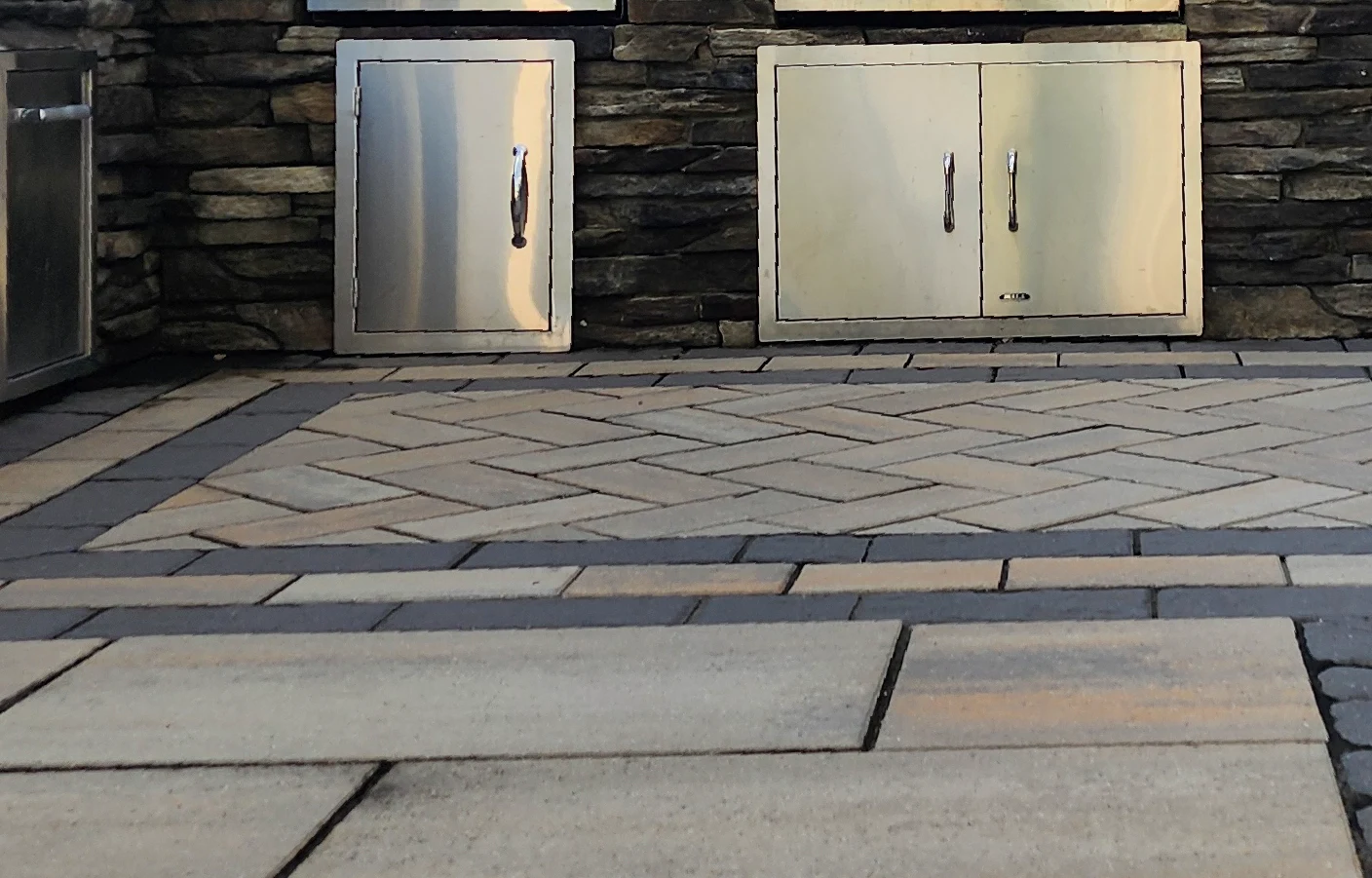
Paver Patio vs. Stamped Concrete: Which Adds More Value to Your Home?
When planning a backyard transformation in the Carolinas, the foundation of your design is literally what you stand on. The most common dilemma homeowners face is choosing the right material for their hardscaping: Pavers or Stamped Concrete?
At first glance, stamped concrete might look like a budget-friendly way to mimic natural stone. But when you factor in our specific climate, the red clay soil, and long-term maintenance, the true cost tells a very different story.
In this guide, we break down the pros, cons, and long-term ROI of both options so you can make the smartest investment for your outdoor living space.
Stamped concrete is a solid slab of concrete that is poured, colored, and then stamped with a patterned mat to resemble textures like flagstone, brick, or wood.
- Initial Cost: It generally has a lower upfront installation cost compared to high-end pavers.
- Weed Control: Because it’s a solid slab, you won’t have weeds growing up through the middle of your patio.
- It WILL Crack: There is an old saying in hardscaping: “There are two types of concrete: concrete that has cracked, and concrete that is going to crack.”
- Difficult to Repair: When a stamped concrete patio cracks or a plumbing issue arises underneath, you cannot simply lift a section. You have to saw-cut the slab, patch it, and hope the new color matches the faded old concrete (it rarely does).
- Slippery Surface: The sealants used to protect the color can make stamped concrete extremely slick when wet, which is a hazard around pool decks.
Pavers are individual, high-density concrete units (like the ones from our trusted partner, Techo-Bloc) that interlock over a flexible, engineered base.
- Unmatched Durability: Pavers are up to 3 times stronger than poured concrete. They can handle heavy loads, making them perfect for driveways and expansive outdoor kitchens.
- Seamless Repairs: If a paver gets stained or a tree root lifts a section, you can simply remove the affected stones, fix the base, and replace them. No jackhammers required.
- Incredible ROI: A well-designed paver patio significantly increases your property value. Buyers love the high-end look and low-maintenance appeal.
- Upfront Investment: The initial cost is higher due to the intensive labor required for proper base excavation and leveling.
Here in North and South Carolina, our soil is heavily composed of red clay. Clay expands when it absorbs water and contracts when it dries out.
When you pour a solid slab of stamped concrete over clay, the ground movement acts like a seesaw, eventually snapping the slab.
Pavers, on the other hand, are a flexible system. The sand and gravel base, combined with the joints between each stone, allows the patio to gently flex and move with the earth without cracking. This makes pavers the undisputed champion for longevity in areas like Fort Mill, Raleigh, and Apex.
To help you decide, here is a breakdown of how they stack up against each other:
| Feature | Stamped Concrete | Interlocking Pavers |
|---|---|---|
| Initial Cost | $$ | $$$ |
| Lifespan | 10 – 15 Years (with cracks) | 50+ Years |
| Maintenance | Re-sealing every 2-3 years | Minimal (Occasional joint sand top-up) |
| Repairability | Difficult & visibly noticeable | Easy & seamless |
| Home Value ROI | Moderate | High (Luxury appeal) |


Q1: Can I install pavers over my existing concrete patio?
In some cases, yes! If your current concrete patio is structurally sound and drains properly, we can do a “paver overlay.” However, if the concrete is heavily cracked or sinking, it must be demolished to build a proper base.
Q2: Will weeds grow between my pavers?
Not if installed correctly. At SunSouth Carolinas, we use advanced polymeric sand in the joints. Once activated with water, this sand hardens, locking the pavers in place and preventing weed growth and insect tunneling.
Q3: How long does it take to install a paver patio compared to concrete?
A paver patio takes slightly longer due to the meticulous base preparation required. Most average-sized patios take our crew about 1 to 2 weeks from excavation to the final sweep, but they are ready to use the moment we finish (no curing time needed!).
Don’t settle for a patio that comes with an expiration date. At SunSouth Carolinas, our expert designers and certified installers are ready to build a stunning, lifetime-guaranteed paver patio tailored to your backyard.
Are you ready to upgrade your patio to the next level?
Whether it’s a pergola, installing pavers or building a pool, SunSouth Carolina is always ready to help you create the patio of your dreams!
If you are located anywhere in South Carolina or North Carolina, you can contact us for a free consultation!
What are you waiting for?
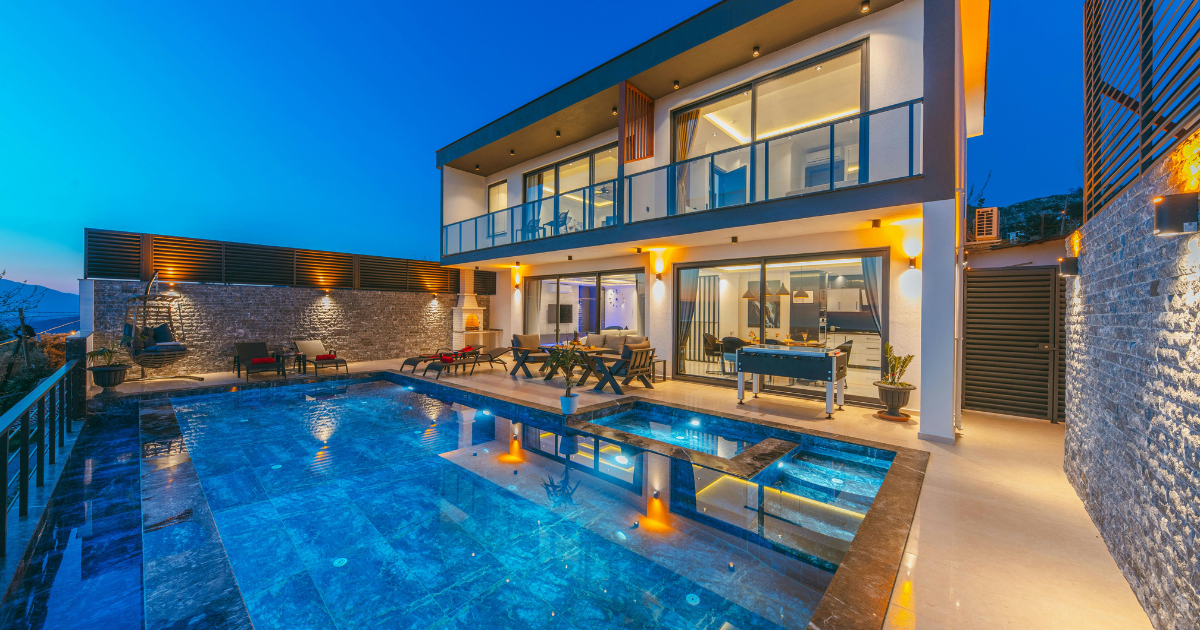
The Micro-Resort Backyard: Maximizing Small Carolina Lots
Shrinking lot sizes don’t mean sacrificing luxury. Discover how smart spatial zoning and custom hardscaping transform small Carolina yards into…

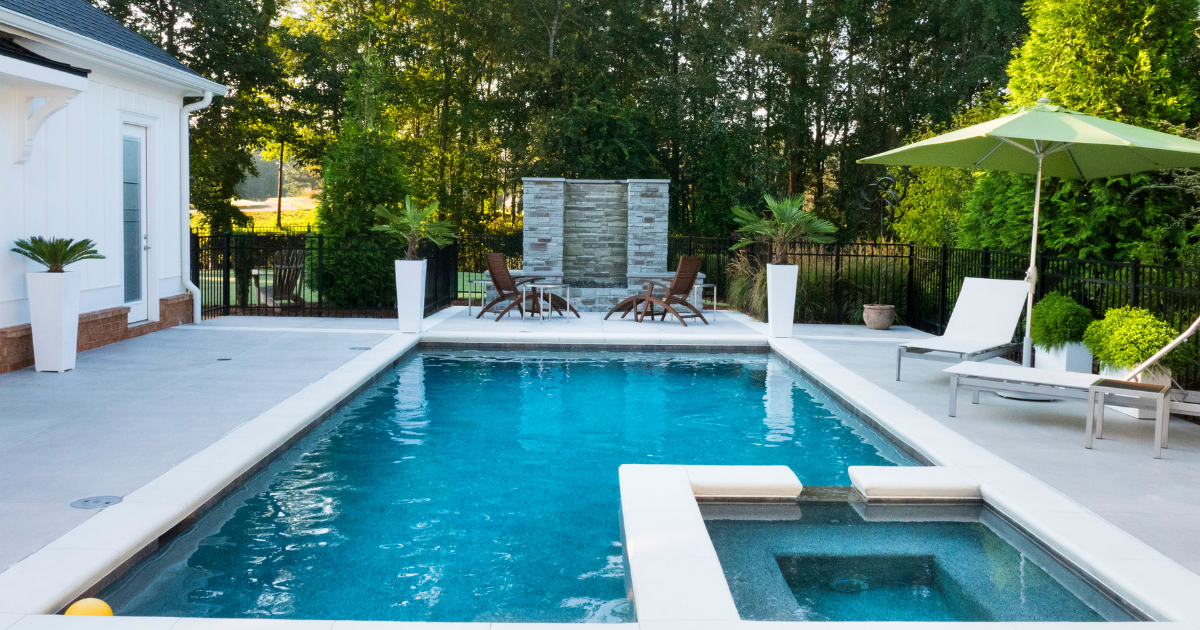
Why Q4 is the Only Time to Plan Your Spring
Want a pool by Memorial Day? Discover why planning in Q4 secures HOA approvals, beats material price hikes, and guarantees…
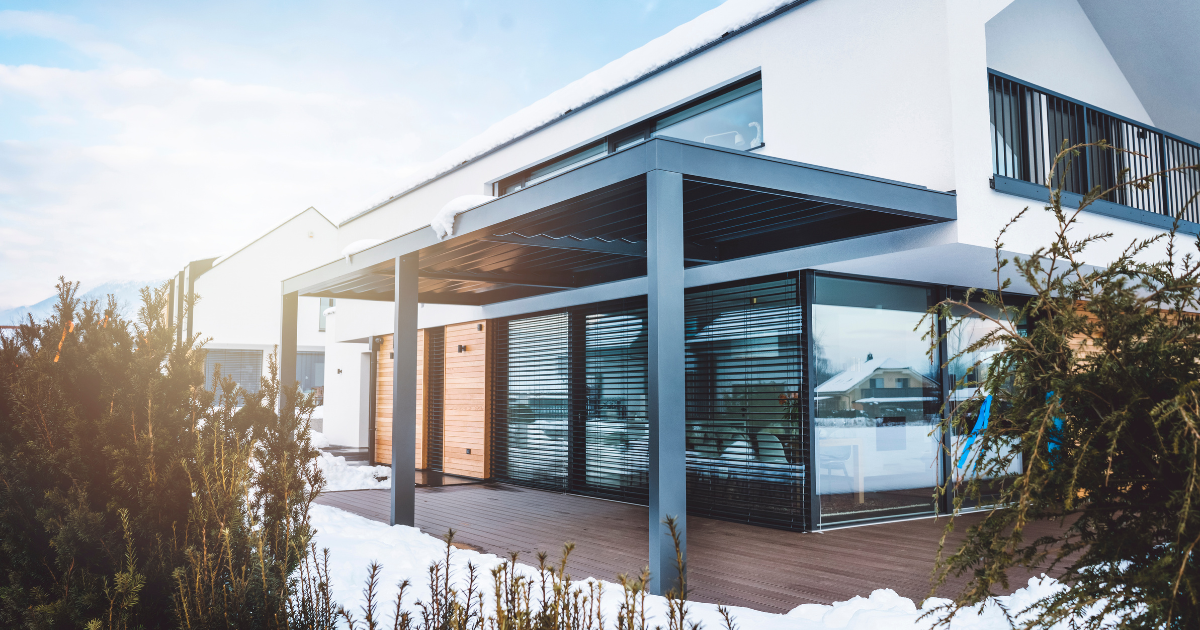
Chaos Gardening & Winter Interest: Landscape Design in NC/SC
Stop staring at a dead winter yard. Discover how sustainable “chaos gardening,” ornamental grasses, and structural evergreens create a stunning,…
Ditching the Mud: Why Artificial Turf is the Ultimate Winter
Stop tracking mud into your house. Discover how luxury artificial turf and engineered drainage systems create a pristine, zero-maintenance Carolina…
Belgard vs. Techo-Bloc: Luxury Pavers for Carolina Homes
Compare Belgard vs. Techo-Bloc luxury pavers. Discover which brand offers the best durability, heat resistance, and style for Carolina red…
2026 Hardscape Color Trends: Earth Tones & Mixed Materials
Say goodbye to sterile gray patios. Discover why 2026 hardscape trends favor warm earth tones and mixed materials to naturally…
